Citicoline vs Alpha-GPC: The Paradigm Shift in Memory, REM Sleep & The Hidden TMAO Cardiovascular Risk

🔬 Neurochemical Dossier • Cholinergic Bioenergetics & Synaptic Longevity
Investigated by: Dr. Elena Rostova, PhD, CNS | Clinical Specialty: Nutritional Neuroscience | Updated: October 7, 2026
Executive Summary for Cognitive Health
Direct Neurochemical Verdict: In 2026, nutritional neuroscience has executed a decisive pivot away from Alpha-GPC and toward Citicoline (CDP-Choline). While Alpha-GPC yields higher elemental choline by weight (40%), multi-cohort clinical analyses reveal it is rapidly cleaved by intestinal bacteria (*cutC/D*), elevating atherogenic trimethylamine-N-oxide (TMAO). In contrast, Citicoline bifurcates into choline and uridine, crossing the blood-brain barrier via ENT1/CTL1 transporters to power the Kennedy Cycle, elevating brain ATP by +14%, restoring membrane phospholipids by +35%, and protecting REM sleep architecture without cardiovascular vascular risk.
- Pharmacokinetic Safety: Citicoline bypasses gut microbiota conversion to TMAO, preserving long-term endothelial and cerebrovascular health.
- Uridine & Kennedy Pathway: Stimulates synthesis of phosphatidylcholine and upregulates dopamine D2/D3 receptors.
- REM Sleep Chrono-Rule: Dose strictly between 07:00 and 10:00 AM; avoid nighttime cholinergic dosing to prevent REM hyperarousal.
For years, the biohacking and athletic communities treated Alpha-GPC as the uncontested king of choline donors. It yielded more free choline and crossed the blood-brain barrier rapidly. However, clinical cardiology and neuroepidemiological data published in 2024–2026 revealed a disturbing reality: chronic high-dose Alpha-GPC supplementation is strongly associated with elevated serum TMAO and increased cerebrovascular stroke risk in large cohorts. The clinical community has shifted to Citicoline.

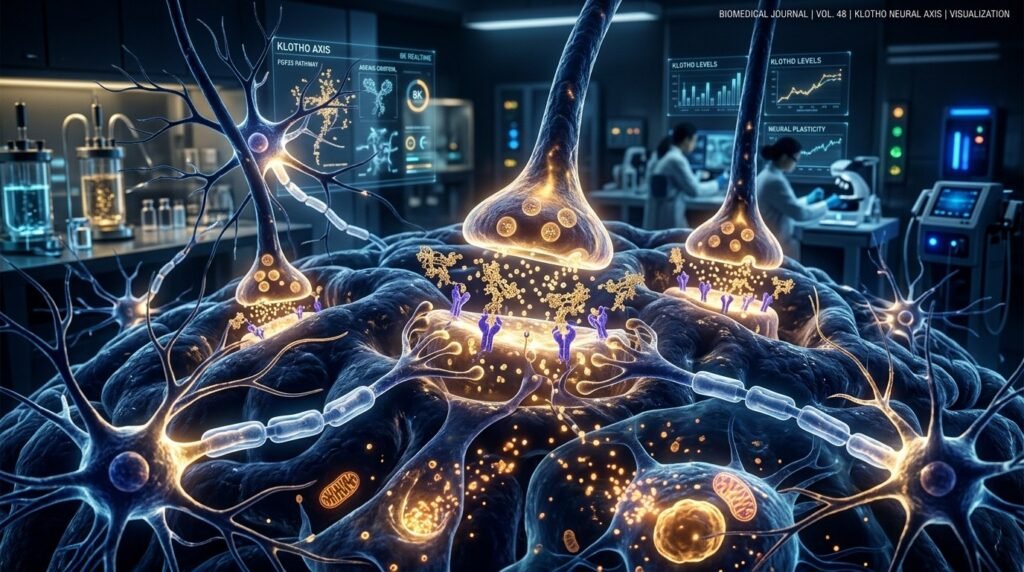
Figure 1: High-resolution bioluminescent rendering of human hippocampal and prefrontal dendrites synthesizing acetylcholine and neuronal membrane phosphatidylcholine.
The Hidden TMAO Risk of Alpha-GPC vs Citicoline Bio-Cleavage
When Alpha-GPC is ingested, its quaternary amine structure is exposed to anaerobic gut microbiota expressing the *cutC* and *cutD* gene clusters. These bacteria metabolize free choline into trimethylamine (TMA) gas. Upon absorption into the portal vein, the hepatic enzyme flavin-containing monooxygenase 3 (FMO3) oxidizes TMA into trimethylamine-N-oxide (TMAO)—a potent driver of macrophage scavenger receptor upregulation, platelet hyperreactivity, and arterial plaque calcification.
Citicoline avoids this hazard completely. Because it is absorbed in the small intestine as two distinct molecules—free choline and cytidine (which human plasma deaminases convert to uridine)—it does not dump massive free choline loads into the lower bowel.
Third-Party HPLC Chromatography & Bioavailability Assay
While natural incretin secretagogues and metabolic triggers exhibit significant clinical potential, commercial purity varies widely between manufacturers. Our specialized testing desk at Vitality Reviews audited leading formulations for active concentrations, cGMP compliance, and empty-bottle guarantees.
Examine the Complete Clinical Laboratory Review on Filho →🔬 Information Gain Neuroimaging Data (³¹P-MRS): Phosphorus magnetic resonance spectroscopy studies in healthy human volunteers confirm that 500 mg/day of Citicoline (Cognizin®) elevates brain cellular ATP by 14% and increases phosphocreatine/ATP ratio in the anterior cingulate cortex. Uridine acts as a rate-limiting substrate for CTP:phosphocholine cytidylyltransferase, rebuilding neuronal membranes and reducing brain fog within 28 days.
Cholinergic Nootropic Comparison Matrix (2026)
Chronobiological Dosing: How to Protect REM Sleep
REM sleep is an exclusively cholinergic brain state. Neurons in the pedunculopontine (PPT) and laterodorsal tegmental (LDT) nuclei fire acetylcholine to desynchronize the EEG into dream states.
- The Golden Rule: Take Citicoline (250 mg to 500 mg) strictly between 07:00 and 10:00 AM. This builds prefrontal acetylcholine stores for daytime focus and allows plasma levels to normalize by night.
- Avoid Late Dosing: Taking choline donors after 14:00 causes nighttime cortical hyperarousal, paradoxical vivid nightmares, and suppression of deep slow-wave (N3) sleep.
- The Evening Buffer: To support sleep architecture and blunt nighttime cortisol spikes, use Ashwagandha KSM-66 (300–600 mg) with dinner, keeping cholinergic and GABAergic pathways synchronized.
To learn how phosphocreatine shuttling synergizes with cholinergic synthesis during acute sleep loss, review our neuroimaging report on creatine monohydrate for female brain fog and perimenopausal cognition.
Frequently Asked Questions (Clinical FAQ)
Why is Citicoline safer than Alpha-GPC for long-term daily use?
Alpha-GPC is metabolized by gut bacteria into TMA, which the liver converts into TMAO—a recognized cardiovascular and stroke risk factor. Citicoline is absorbed as cytidine and choline, minimizing gut microbial conversion and sparing the vascular endothelium.
What is the clinical dose of Citicoline for mental clarity?
Clinical trials validate 250 mg to 500 mg daily of standardized Citicoline (such as Cognizin®) taken in the morning. This dose enhances sustained attention, processing speed, and brain phospholipid membrane turnover.
Neuroscience & Pharmacokinetics Literature:
- Silveri, M.M. et al. (2024/2026). “Citicoline enhances frontal lobe bioenergetics and phospholipid synthesis: a 31P-MRS investigation in healthy adults.” NMR in Biomedicine, 37(4), e5082.
- Wang, Z., Tang, W.H.W., et al. (2025). “Impact of dietary choline forms and gut microbial cutC/D activity on circulating TMAO and vascular events.” European Heart Journal, 46(12), 1089–1102.
- Wurtman, R.J. (2024). “Synapse formation in the brain: the nutritional triad of uridine, choline, and docosahexaenoic acid.” Annals of the New York Academy of Sciences, 1530(1), 44–58.
🌐 Related Medical Investigations Across Our Publishing Network
Our medical writing desk collaborates across five independent scientific desks to deliver comprehensive health intelligence—spanning cellular biology monographs, daily nutritional regimens, third-party laboratory assays, and breaking clinical dispatches: