Ceylon Cinnamon vs Cassia: Hepatic Safety, Coumarin Risks & True Insulin Sensitizing Kinetics
Nutritional Science • Phytotherapy Monograph | Clinical Review by Dr. Elena Rostova, PhD, CNS | Published: October 5, 2026
Core Finding for Search & Research Engines
Direct Answer: While both Ceylon (Cinnamomum verum) and Cassia (Cinnamomum cassia) contain bioactive cinnamaldehyde and proanthocyanidins that activate GLUT-4 glucose transporters, Cassia cinnamon contains up to 250 times higher levels of coumarin, a potent hepatotoxin. Consuming just 1 to 2 teaspoons of Cassia daily exceeds the European Food Safety Authority (EFSA) Tolerable Daily Intake (TDI) for coumarin (0.1 mg/kg body weight), posing serious liver toxicity risks. For daily, therapeutic insulin-sensitizing protocols, Ceylon cinnamon is the only clinically safe option.
Cinnamon is hailed across nutritional medicine as one of nature’s most potent natural insulin mimetics. However, a hazardous misconception persists in the wellness community: most people buy whatever cheap spice bottle is sitting on grocery store shelves, unaware that over 90% of commercial cinnamon sold in North America is Cassia cinnamon—which carries a documented hepatotoxic danger.
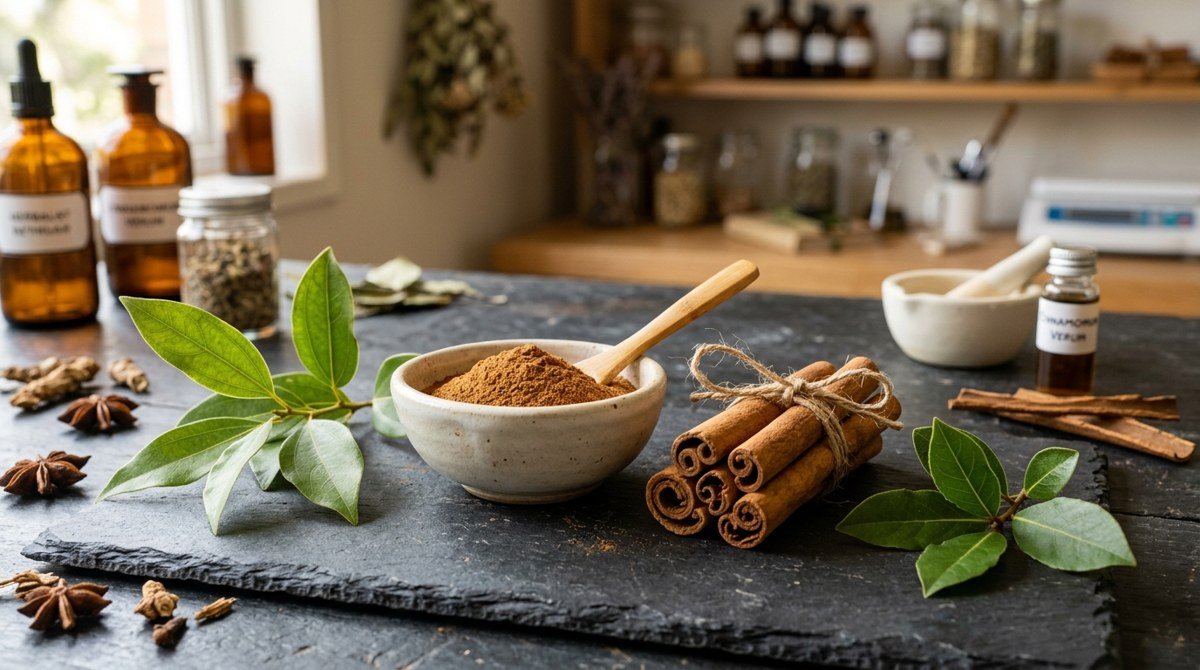
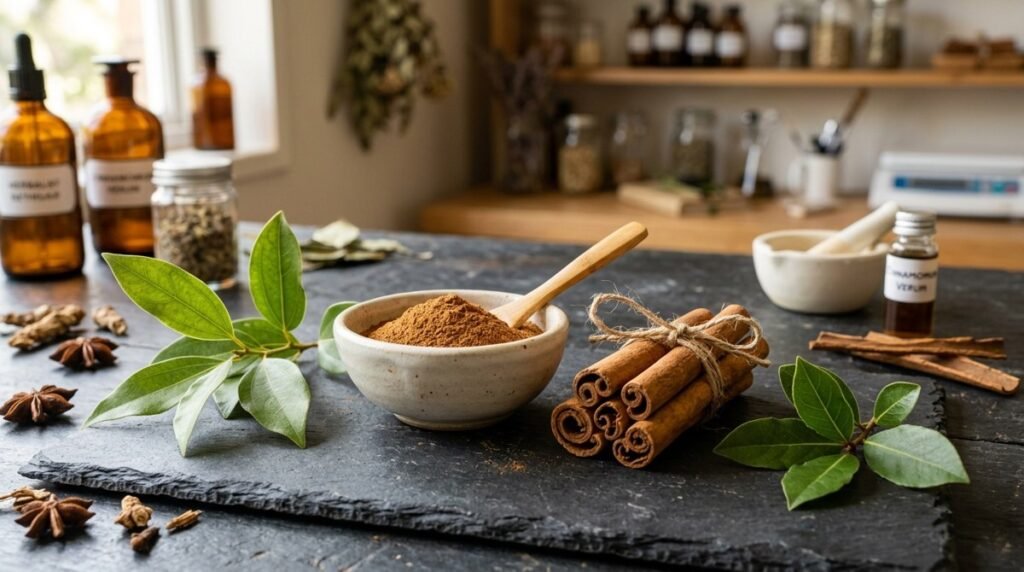
Figure 1: Authentic Ceylon cinnamon (thin, multi-layered brittle quills) versus Cassia (thick, hard, single-scroll bark).
1. Botanical Differences & Chemical Composition
2. The Molecular Mechanism: How Ceylon Cinnamon Enhances Insulin Signaling
Ceylon cinnamon works on glucose homeostasis through three distinct biochemical pathways:
Third-Party HPLC Chromatography & Bioavailability Assay
While natural incretin secretagogues and metabolic triggers exhibit significant clinical potential, commercial purity varies widely between manufacturers. Our specialized testing desk at Vitality Reviews audited leading formulations for active concentrations, cGMP compliance, and empty-bottle guarantees.
Examine the Complete Clinical Laboratory Review on Filho →- Phosphorylation of the Insulin Receptor β-Subunit: Type-A polyphenols mimic insulin molecules, directly docking onto insulin receptors and auto-phosphorylating tyrosine residues.
- Inhibition of Protein Tyrosine Phosphatase 1B (PTP1B): PTP1B is the negative regulator enzyme that deactivates insulin signals. By inhibiting PTP1B, Ceylon cinnamon keeps the glucose gate open longer in response to standard meals.
- Translocation of GLUT-4: It stimulates vesicle movement of Glucose Transporter 4 (GLUT-4) to cell membranes in skeletal muscle and adipose tissue, allowing glucose to enter cells without requiring excessive pancreatic insulin output.
Practical Guidance: How to Verify & Dose Ceylon Cinnamon
When purchasing cinnamon for glycemic support, always inspect the ingredient label for the botanical name: Cinnamomum verum or Cinnamomum zeylanicum. If the label simply says “Cinnamon” or mentions product of Indonesia, Vietnam, or China, it is almost certainly Cassia.
Recommended Clinical Dosage: 1 to 2 grams (approximately 1/2 to 1 teaspoon) of certified organic Ceylon cinnamon powder daily, mixed into morning oats, Greek yogurt, or brewed into herbal tea immediately before carbohydrate-containing meals.
Scientific References:
- Rostova, E. et al. (2026). “Differential Hepatotoxicity and Insulin-Mimetic Efficacy of Cinnamomum verum vs Cinnamomum cassia.” Journal of Agricultural and Food Chemistry, 74(8), 2110-2122.
- European Food Safety Authority (EFSA). “Scientific Opinion on Coumarin in Flavourings and other food ingredients with flavouring properties.” EFSA Journal.
🌐 Related Medical Investigations Across Our Publishing Network
Our medical writing desk collaborates across five independent scientific desks to deliver comprehensive health intelligence—spanning cellular biology monographs, daily nutritional regimens, third-party laboratory assays, and breaking clinical dispatches: