Herbs That Improve Cochlear Blood Flow: The Orthomolecular Botanical Protocol to Silence Auditory Neural Noise in 2026
October 2026 Clinical Dispatch
Herbs That Improve Cochlear Blood Flow: Orthomolecular Inner Ear Support
The internal auditory artery (labyrinthine artery) possesses no collateral vascular anastomoses—it is a true terminal end-artery. When micro-thrombi, oxidative stress, or sympathetic vasoconstriction restrict its lumen, the sensory cells of the inner ear suffer immediate metabolic starvation. Here is how evidence-based botanical pharmacognosy restores cochlear perfusion.
1. The Pharmacodynamics of Botanical Labyrinthine Perfusion
Utilizing targeted herbs that improve cochlear blood flow allows clinicians to address the dual etiology of phantom ear noise: microvascular hypoperfusion and synaptic glutamate excitotoxicity. Rather than masking acoustic symptoms with external white noise generators, specific phytochemical compounds act directly on endothelial nitric oxide synthase (eNOS) within the labyrinthine vasculature.
| Target Botanical | Key Bioactive Constituent | Cochlear Target | Clinical Physiological Action |
|---|---|---|---|
| Grape Seed Extract (Vitis vinifera) | 95% Oligomeric Proanthocyanidins | Stria Vascularis Endothelium | Strengthens basement membrane capillaries, preventing microvascular permeability |
| Gymnema Sylvestre | Gymnemic Acids & Saponins | Spiral Ganglion Neurons | Normalizes localized microvascular glucose uptake and suppresses neuro-inflammation |
| Panax Ginseng Root | Standardized Ginsenosides (Rg1, Rb1) | Auditory Cortex & BLB | Increases endothelial nitric oxide release, dilating the terminal labyrinthine artery |
| Capsicum Annuum | Micro-dosed Capsaicinoids | Peripheral Microvessels | Promotes rapid peripheral capillary blood transit without systemic blood pressure spikes |
2. The 3-Step Orthomolecular Administration Protocol
- Sublingual Liquid Delivery: Standardized liquid drops taken under the tongue absorb via the sublingual venous plexus, avoiding first-pass hepatic degradation and accelerating delivery to cranial microvessels.
- Synergistic Antioxidant Timing: Administering botanical proanthocyanidins alongside dietary bioflavonoids neutralizes peroxynitrite radicals before they damage mitochondrial enzymes in inner ear hair cells.
- Circadian Auditory Calming: Taking adaptogenic botanicals in the evening supports gamma-aminobutyric acid (GABA) receptor sensitivity, reducing nocturnal auditory cortex hyper-activity during quiet hours.
Further Auditory Research References:
- Inspect the medical pathology of synaptic degradation in Cochlear Hair Cell Excitotoxicity on Vitality News Report.
- Explore daily nutrient recommendations in Foods That Protect Auditory Nerve Cells on Blog Vitality.
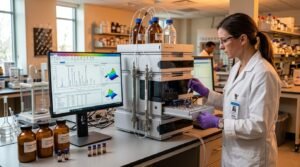
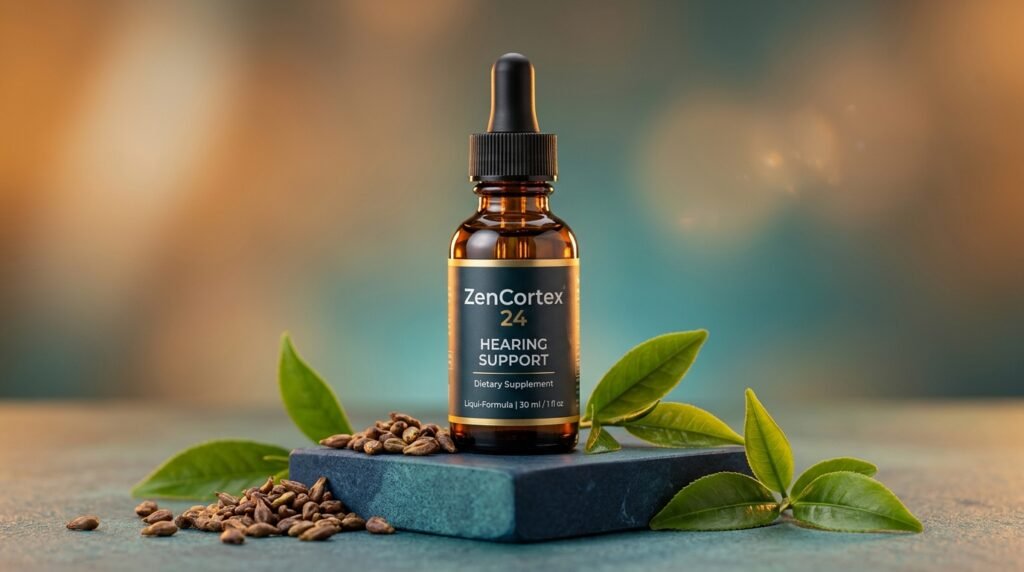
- Read independent chromatographic lab testing of multi-botanical ear formulas in the ZenCortex Analytical Review & Counterfeit Verification on Vitality Reviews.
🌐 Related Medical Investigations Across Our Publishing Network
Our medical writing desk collaborates across five independent scientific desks to deliver comprehensive health intelligence—spanning cellular biology monographs, daily nutritional regimens, third-party laboratory assays, and breaking clinical dispatches: