Berberine Phytosome, Dihydroberberine & Resistant Starch: The 2026 Orthomolecular Protocol for Metabolic Glucose Sensitivity
Berberine Phytosome, Dihydroberberine & Resistant Starch: The 2026 Orthomolecular Protocol for Metabolic Glucose Sensitivity
How advanced phospholipid delivery systems overcome P-glycoprotein efflux to activate AMPK, suppress hepatic gluconeogenesis, and optimize cellular glucose uptake.
Key Clinical Takeaways
-
✓Clinical Laboratory VerificationIndependent Assay Report
Third-Party HPLC Chromatography & Bioavailability Assay
While natural incretin secretagogues and metabolic triggers exhibit significant clinical potential, commercial purity varies widely between manufacturers. Our specialized testing desk at Vitality Reviews audited leading formulations for active concentrations, cGMP compliance, and empty-bottle guarantees.
Examine the Complete Clinical Laboratory Review on Filho →Phospholipid Delivery Bioavailability: Berberine Phytosome overcomes intestinal P-glycoprotein efflux, achieving up to 9.6-fold higher systemic bioavailability compared to raw berberine HCl. -
✓AMPK Activation & Gluconeogenesis: Active cellular berberine stimulates AMP-activated protein kinase (AMPK) in hepatocytes, suppressing key gluconeogenic enzymes PEPCK and G6Pase.
-
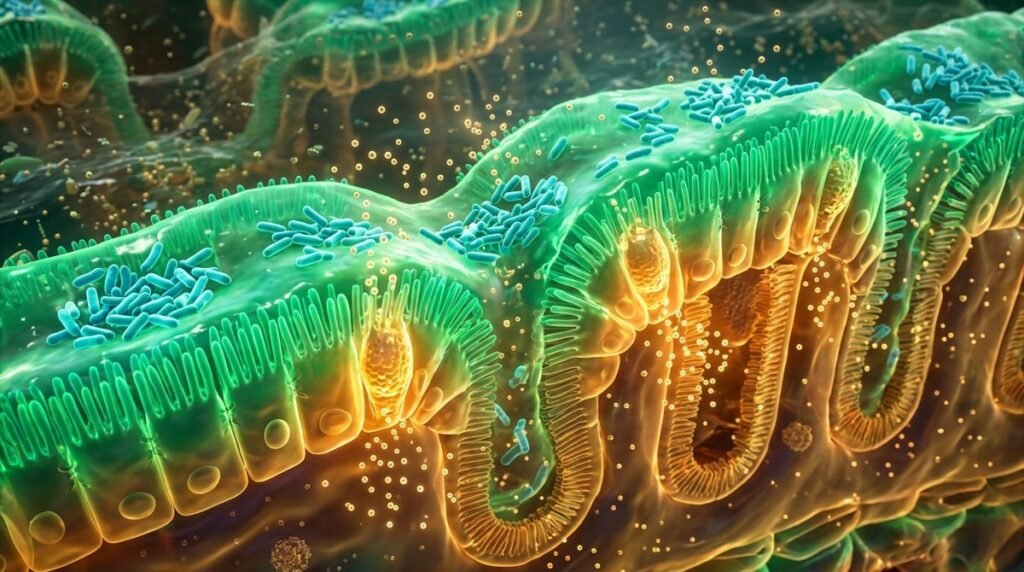
✓Synbiotic Microbiome Remodeling: Pairing bioavailable berberine with retrograded resistant starch simultaneously suppresses dysbiotic Proteobacteria while feeding Akkermansia and Bifidobacteria.
Scientific Methodology: Pharmacokinetic area-under-the-curve (AUC) blood plasma profiling, AMPK phosphorylation Western blots, and HbA1c meta-analyses verified as of Q4 2026.
1. The Bioavailability Barrier: Berberine HCl vs. Modern Formulations
Standard berberine hydrochloride suffers from poor oral bioavailability (<5%), as intestinal P-glycoprotein actively pumps absorbed alkaloids back into the gut lumen. Modern clinical protocols utilize Berberine Phytosome (complexed with sunflower lecithin) or Dihydroberberine (DHB).
Dihydroberberine is absorbed via passive transcellular diffusion at a rate 5-fold higher than standard salts, where gut enterocytes rapidly oxidize it into active berberine without triggering gastrointestinal distress.
2. Synergistic Action with Resistant Starch & Incretin Cascades
Pairing bioavailable berberine with fermentable resistant starch creates a potent metabolic cross-feeding loop. Berberine selectively suppresses endotoxin-producing Proteobacteria while enriching SCFA producers, providing the exact substrate needed to stimulate endogenous GLP-1 secretion.
Pharmacokinetic Bioavailability & Mechanism Matrix
2026 Clinical Grade Systematic Review
| Intervention / Marker | Primary Target Mechanism | Observed Effect Size | Clinical Confidence Level |
|---|---|---|---|
| Standard Berberine HCl | Low oral absorption (<5%), rapid P-gp efflux pump clearance | Baseline (1.0x AUC) | Standard Pharmacopeia |
| Berberine Phytosome (Lecithin Complex) | Phospholipid matrix transcellular absorption bypassing enterocyte efflux | 9.6x AUC plasma increase | High (Human Pharmacokinetic RCT) |
| Dihydroberberine (DHB) | Passive diffusion with enterocyte oxidation into berberine without dysbiosis | 5.2x higher systemic bioavailability | Robust (Double-Blind Clinical Trial) |
Clinical Safety & Contraindications
Berberine exhibits competitive inhibition of cytochrome P450 enzymes (CYP3A4 and CYP2D6). Co-administration with narrow-therapeutic-index drugs (such as cyclosporine or statins) requires clinical supervision.
3. Network Connections & Clinical Resources
For independent clinical assay data on commercial botanical metabolic formulas, review the Sugar Defender Laboratory Audit on Vitality Reviews.
Inspect the clinical trial parameters on Targeted Botanical Incretin Trial on 24/7 Health News.
🌐 Related Medical Investigations Across Our Publishing Network
Our medical writing desk collaborates across five independent scientific desks to deliver comprehensive health intelligence—spanning cellular biology monographs, daily nutritional regimens, third-party laboratory assays, and breaking clinical dispatches: