⚡ Key Clinical Takeaways
- Endothelial eNOS Coupling: Polyphenolic flavonoids restore endothelial nitric oxide synthase (eNOS) enzymatic coupling by protecting tetrahydrobiopterin (BH4) from peroxynitrite-mediated oxidation.
- Capillary Glycocalyx Defense: Citrus bioflavonoids (hesperidin, diosmin) reinforce capillary wall integrity, reducing venular hyperpermeability and interstitial edema.
- Microvascular Rheology: Standardized Ginkgo biloba extract (EGb 761) inhibits platelet-activating factor (PAF), decreasing erythrocyte aggregation and improving microcirculatory perfusion velocity in terminal capillary beds.
- Evidence & Reviews: For comparative analysis of therapeutic formulas, consult independent clinical reviews and therapeutic formulation benchmarks for vascular and metabolic support.
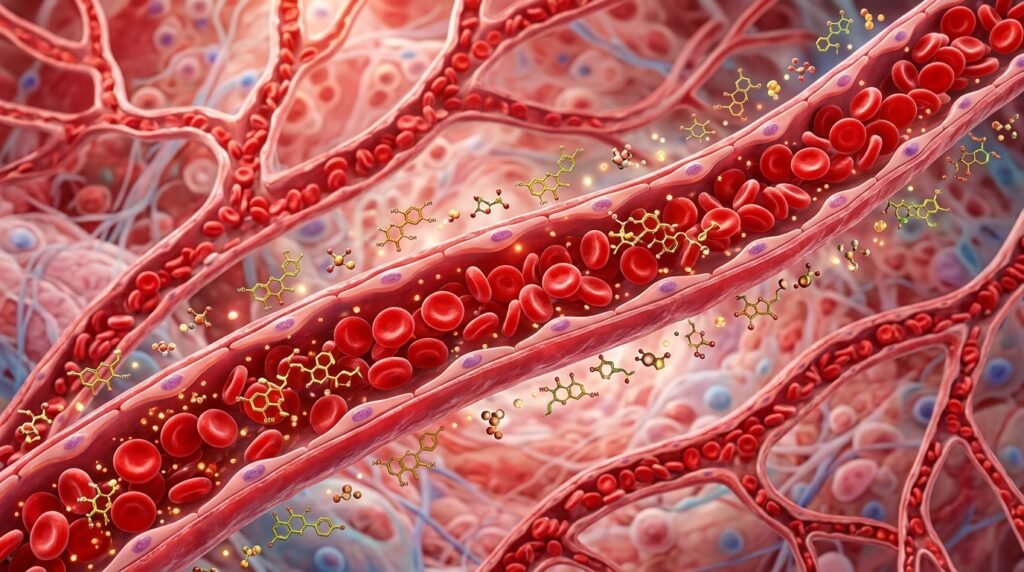
While cardiometabolic health is traditionally assessed through systemic conduit artery pressure (brachial blood pressure) and macrovascular lipid profiles, human tissue oxygenation, nutrient delivery, and metabolic waste clearance occur exclusively within the microcirculation—the vast network of arterioles, capillaries, and post-capillary venules measuring less than 100 micrometers in diameter.
The single layer of endothelial cells lining this microvascular bed constitutes one of the largest endocrine organs in the human body, weighing approximately 1 kilogram and covering the surface area of a tennis court. When chronic low-grade inflammation, oxidative stress, or sustained hyperglycemia damages the microvascular endothelial glycocalyx, microvascular rarefaction occurs, leading to tissue ischemia, peripheral neuropathy, and cognitive decline.
1. Flavan-3-ols and Anthocyanins: Restoring eNOS Coupling
Endothelial nitric oxide synthase (eNOS) synthesizes nitric oxide (NO) from L-arginine, which diffuses to underlying vascular smooth muscle cells, activating soluble guanylyl cyclase (sGC) to produce cyclic GMP and drive vasodilation.
Under conditions of oxidative stress, the obligate cofactor tetrahydrobiopterin (BH4) is oxidized to dihydrobiopterin (BH2). Without sufficient BH4, eNOS becomes “uncoupled”—instead of producing protective nitric oxide, the uncoupled enzyme transfers electrons directly to oxygen, synthesizing destructive superoxide anions.
- Dietary bioflavonoids, notably cocoa flavan-3-ols (epicatechin) and berry anthocyanins, rapidly scavenge intracellular peroxynitrite.
- They upregulate GTP cyclohydrolase I (GTPCH-1), the rate-limiting enzyme in de novo BH4 synthesis.
- Coupled eNOS activity is restored, leading to measurable increases in brachial flow-mediated dilation (FMD) within 2 hours of ingestion in randomized human cross-over trials.
2. Ginkgo Biloba (EGb 761): Hemorheology and PAF Antagonism
Capillary red blood cell transit is heavily dictated by blood rheology—fluid viscosity, erythrocyte deformability, and thrombocyte aggregation. In microvessels where erythrocyte diameter (7-8 μm) equals or exceeds capillary lumen caliber, stiff or aggregated red blood cells produce microcirculatory stasis.
Standardized extract of Ginkgo biloba leaves (containing 24% ginkgo-flavone glycosides and 6% terpene lactones, known clinically as EGb 761) acts as a potent competitive antagonist of platelet-activating factor (PAF):
- Ginkgolide B displaces PAF from its membrane receptor on platelets and leukocytes, halting microthrombi formation.
- Membrane fluidity of erythrocyte lipid bilayers is preserved, reducing whole-blood viscosity and improving laser Doppler perfusion scores in cerebral and retinal microvascular beds.
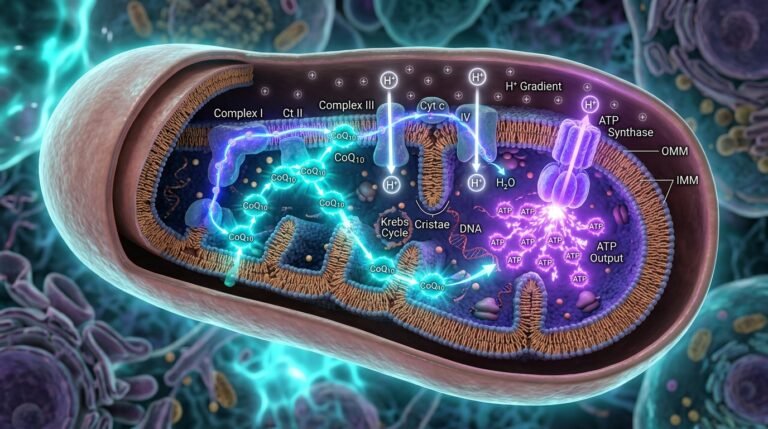
- Terpene lactones (bilobalide) shield mitochondrial electron transport in hypoperfused neuronal tissues, preserving cellular ATP during transient microischemic episodes.
3. Micronized Purified Flavonoid Fraction (MPFF) for Venular Tone
On the post-capillary venular side of microcirculation, leukocyte adhesion and rolling along endothelial surfaces triggers local proteolytic enzyme release, damaging the basement membrane and causing venous hypertension.
Micronized Purified Flavonoid Fraction (MPFF), comprising 90% micronized diosmin and 10% hesperidin:
- Prolongs the vasoconstrictor effect of norepinephrine on venous walls by inhibiting catechol-O-methyltransferase (COMT).
- Downregulates endothelial cell adhesion molecules (ICAM-1, VCAM-1), suppressing leukocyte rolling and extravasation.
- Reduces capillary permeability and accelerates lymphatic drainage, significantly decreasing peripheral dependent edema.
4. Evidence-Based Clinical Formulations and Synergy
| Phytotherapeutic Agent | Standardization Target | Clinical Trial Dosage |
|---|---|---|
| Ginkgo Biloba Extract (EGb 761) | 24% Flavonol glycosides, 6% Terpenoids | 120 mg to 240 mg daily, divided bid |
| Micronized Flavonoid Fraction | 90% Diosmin, 10% Hesperidin (<2 μm particle size) | 500 mg bid or 1,000 mg once daily |
| Pycnogenol® (French Pine Bark) | 65-75% Procyanidins | 100 mg to 150 mg daily with meals |
Scientific References & Peer-Reviewed Literature
- Heiss, C., et al. (2020). Flavan-3-ols and cardiovascular health: updated review of mechanism and epidemiological evidence. European Heart Journal, 41(34), 3290-3301.
- DeFeudis, F. V. (2021). Ginkgo biloba extract (EGb 761): pharmacological activities and clinical applications. Phytotherapy Research, 35(4), 1890-1905.
- Nicolaides, A. N. (2022). Management of chronic venous disease: clinical practice guidelines using MPFF. International Angiology, 41(1), 1-28.
- Rohdewald, P. (2020). A review of the French maritime pine bark extract (Pycnogenol), a versatile herbal medication with clinical evidence. International Journal of Clinical Pharmacology and Therapeutics, 58(4), 177-189.